Top rated gardeners in Mitcham CR4 for small garden makeovers
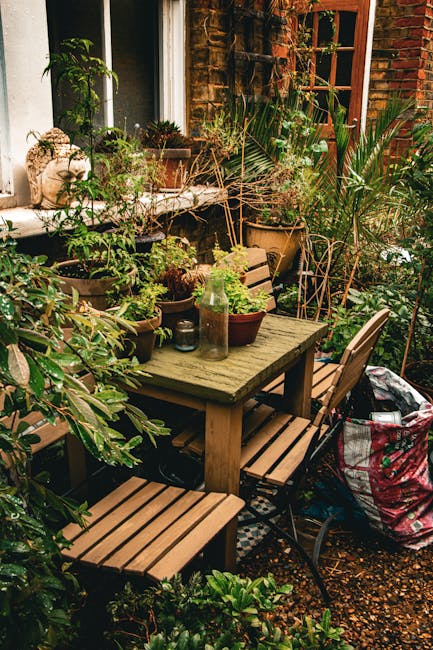
If you live in Mitcham CR4 and your garden is more "compact and awkward" than "lush and spacious," you are definitely not alone. Small outdoor spaces can be brilliant, but only if they are planned properly. The right gardener can turn a cramped patch of lawn, tired paving, or an overgrown corner into something that feels calm, tidy, and genuinely useful. That is the real value of working with top rated gardeners in Mitcham CR4 for small garden makeovers: getting thoughtful design, neat workmanship, and practical ideas that suit the size of the space rather than fighting it.
This guide explains what a small garden makeover usually involves, how the process works, what to look for in a local gardener, and where people often go wrong. If you are comparing options, trying to stretch a budget, or just want to know what is realistic in a modest London garden, you will find plenty of useful detail here. Let's keep it practical.
Why Top rated gardeners in Mitcham CR4 for small garden makeovers Matters
A small garden can look finished very quickly, but it can also go wrong very quickly. In a compact space, every square metre counts. A path that is slightly too wide, a border that is too deep, or a planting plan that gets too busy can make the whole garden feel tighter and harder to use. That is why choosing experienced local gardeners matters so much here.
Top rated gardeners in Mitcham CR4 for small garden makeovers bring more than hedge-cutting or lawn care. The best ones understand proportion, drainage, access, planting density, and how to make a small plot feel intentional. They know when to simplify, when to create structure, and when to avoid overdoing the design. In a way, small garden work is less about adding more and more, and more about deciding what not to put in.
There is also a trust angle. A well-reviewed gardener is usually being judged on reliability, clear communication, and tidy work as much as the final look. In a small garden, sloppy execution stands out. Uneven edging, messy waste removal, or a rushed finish can make a tiny space feel even smaller. Not ideal, obviously.
For homeowners, landlords, and even busy families, a makeover can solve very ordinary frustrations: muddy corners, no privacy, poor storage, tired planting, or a patio that looks fine in winter but unusable in summer. The point is not to create a show garden. It is to create a garden that works on a Tuesday evening after a long day. That counts for a lot.
How Top rated gardeners in Mitcham CR4 for small garden makeovers Works
A good small garden makeover usually follows a simple but careful process. The details vary, but the logic stays the same: assess the space, identify the problems, design around the limitations, and deliver the work in a sensible order.
First comes the site visit or remote discussion. A gardener will normally look at dimensions, access points, sun and shade, existing surfaces, drainage issues, and what you want the space to do. Do you want somewhere for children to play, a low-maintenance courtyard, a place for pots and herbs, or a garden that feels more private? Those are not small questions. They shape everything.
Then comes the plan. For small spaces, the plan usually needs to be sharper than people expect. A vague "make it nice" brief is not enough. The best gardeners translate your wishes into usable zones: maybe a seating area near the house, vertical planting down one side, and a compact storage solution tucked away at the back. Simple, but effective.
After that, the work may involve clearance, soil preparation, turf removal, new edging, paving repair, planting, mulching, fence or trellis improvements, or installing containers and features. Some projects are a light refresh; others are closer to a complete reset. The good news is that small gardens often make quick visible progress, which is satisfying in a very real way. One day it looks tired; a few days later, it suddenly feels like a room outdoors.
If you are comparing providers, it helps to look beyond the headline service list. Review the wider garden services overview to see whether the company is set up for more than simple maintenance. You may also want to check who they are and how they work, because local know-how and a consistent approach matter more than glossy wording.
Key Benefits and Practical Advantages
Small garden makeovers are not just about appearance. Done properly, they improve day-to-day use, reduce maintenance stress, and make the property feel better cared for. That can be especially helpful in a dense London area where outside space is valuable and often limited.
- Better use of limited space: A thoughtful layout can make a small garden feel wider, calmer, and easier to move through.
- Less maintenance: Replacing high-effort features with simpler planting and cleaner surfaces can reduce weekly upkeep.
- More privacy: Screening, trellis, and smarter planting can soften sightlines without building heavy structures.
- Improved drainage and access: Good planning can help avoid puddling, slippery patches, or awkward steps.
- Stronger visual order: In a compact area, clean lines and consistent materials create a stronger sense of design.
- More usable outdoor time: Even a modest patio or seating corner can make a garden feel like part of the home.
There is a quieter benefit too: peace of mind. A small space that feels finished tends to get used more often. You stop putting it off. You stop saying, "We'll sort it next spring." That alone can be worth the effort.
If you are trying to balance design with budget, it can help to review pricing and quotes early in the process. That does not lock you in to anything. It just gives you a realistic sense of what is possible, which is usually the smartest place to start.
Who This Is For and When It Makes Sense
Small garden makeovers are a strong fit for several kinds of property owner. Some people come to it after moving into a home with an awkward back garden. Others have lived with the same layout for years and are simply tired of patching it up. Truth be told, the "we'll deal with it later" phase can last a surprisingly long time.
This type of work usually makes sense if your garden is:
- compact and underused
- overgrown or hard to maintain
- split into awkward levels or narrow runs
- dominated by tired paving or patchy turf
- lacking privacy or definition
- not matching how you actually live
It also makes sense for people who do not want a large-scale redesign but do want real change. Maybe you only need better planting, a neater boundary, or a more welcoming entrance to the garden. That is enough. Small doesn't mean insignificant.
Landlords often want low-maintenance finishes that look cared for without needing constant attention. Families may want a safe, tidy layout with a bit of planting colour and a durable surface for sitting out. Homeowners who enjoy entertaining may want a compact, polished garden that feels bigger at dusk than it does in the daylight. Different uses, same principle: make the space earn its keep.
Step-by-Step Guidance
If you are planning a makeover, it helps to treat the project like a series of small decisions rather than one huge leap. That keeps things sane.
1. Define the main job of the garden
Start with the honest question: what do you actually want the garden to do? A seating area? Child-friendly play space? Somewhere to grow herbs? A low-fuss place that still looks neat in winter? Pick the top one or two priorities. Small gardens rarely do five jobs well, and that is just reality.
2. Measure the area and note the problem spots
Good gardeners work from proper measurements, not guesswork. Measure the length and width, and note shade, wet corners, narrow access, and anything that cannot move. A drain cover, awkward step, or mature shrub you want to keep can influence the whole design. Little things matter.
3. Decide what to keep, reduce, or remove
Some features are worth saving. Others are simply taking up space. A tidy existing fence might stay, while a broken sleeper edge and a patchy lawn get replaced. In small gardens, removal can be as valuable as installation.
4. Agree the layout before choosing materials
Layout first, materials second. That order saves a lot of regret. Once you know where the seating zone, paths, and planting beds will sit, you can choose materials that suit the scale. Large slabs in a tiny courtyard can overwhelm the space; slimmer formats or simpler finishes often work better.
5. Prepare the ground properly
Preparation is the unglamorous bit that makes or breaks the job. Soil may need improving, old roots may need removing, and levels may need adjusting. It is not exciting. It is essential. Skipping this stage can lead to sinking, poor planting, or drainage issues later on.
6. Install structure first
Fencing, edging, paving, steps, trellis, and raised planters usually go in before planting. Structural elements give the garden its shape. Once they are right, everything else becomes easier to place.
7. Add planting in layers
In a small garden, layers matter. Think of a simple framework: evergreen structure, seasonal interest, and a few focal plants rather than loads of different species. That approach keeps the space from looking messy. It also makes maintenance easier, which is often the whole point.
8. Finish with detail
Mulch, clean edges, pots, lighting if included, and final tidy-up work are what give the makeover a finished feel. This last ten percent matters more than people think. A garden can be technically complete and still feel half-done if the finishing touches are rushed.
For practical planning and budget clarity, you may want to compare the company's quote and pricing guidance with your own wishlist. That helps you separate must-haves from nice-to-haves, which is always helpful when the space is small and the ambitions are not.
Expert Tips for Better Results
Small gardens reward restraint. That sounds simple, but it is where a lot of projects stumble. Here are the habits that tend to produce the best results.
- Use fewer materials, more confidently: A limited palette of paving, planting, and edging usually looks smarter than a mix of everything.
- Think vertically: Trellis, wall planting, climbers, and narrow shelving for pots can free up floor space.
- Choose plants that behave: Compact shrubs, repeat-flowering perennials, and hardy evergreens often work better than high-maintenance showpieces.
- Keep edges crisp: Clean borders and defined lines make a small garden look ordered, even before the planting matures.
- Leave breathing room: Not every corner needs filling. Negative space can be the most valuable design feature in a tight garden.
- Plan for maintenance from day one: If you dislike pruning, choose plants and layouts that respect that. No shame in it.
A tiny trick that often helps: stand at the back door and look out as if you are using the space every day. What catches your eye first? Is it the good bit, or the messy bit? That view usually tells you what needs changing.
And yes, sometimes the best design move is to remove one thing rather than add three. Slightly boring advice, perhaps, but very effective.
Common Mistakes to Avoid
A lot of disappointing small garden makeovers come from the same few mistakes. They are easy to make, especially if you have been staring at the space for years and can no longer see it clearly.
Overcrowding the layout
If you put too many features into a small garden, it starts to feel cramped. The eye has nowhere to rest. Keep the plan disciplined.
Ignoring drainage
Even a beautiful design can become frustrating if water collects after rain. In London gardens, a practical surface and correct ground preparation are not optional extras.
Choosing oversized materials
Big slabs, bulky furniture, or large planters can overpower a modest plot. Scale matters more than people expect.
Picking plants for a catalogue photo, not real life
Some plants look great for a few weeks and then turn into a lot of work. Choose plants that suit the aspect, soil, and time you actually have available.
Forgetting how the garden feels in winter
A garden can look lively in June and flat in January. Good structure, evergreen planting, and tidy hard landscaping help all year round.
Leaving waste and finish quality to chance
Small spaces show mess. If the contractor is not careful with edging, cleanup, or finishing details, the result can feel unfinished even if the main work is decent.
To be fair, nobody gets everything right on the first pass. But the best gardeners spot these issues early and adjust before they become expensive mistakes. That is what separates polished work from "good enough."
Tools, Resources and Recommendations
You do not need to become a landscape designer to make a good decision, but a few practical tools and habits help a lot.
- Basic measuring tape or laser measure: Useful for checking exact dimensions before any design decisions are made.
- Simple photo set: Take pictures from the back door, side access, and each corner at different times of day.
- Short wish list: Note the three things you want most from the garden, then the three things you dislike most.
- Plant notes: If you already know what survives well in your garden, keep that information handy.
- Budget range: A realistic range is more useful than a fantasy number. It keeps the conversation honest.
If you want to understand what a contractor can actually deliver, a useful first read is the company's services overview. From there, you can decide whether your garden needs a full makeover, planting support, tidy-up work, or a more focused improvement. You can also review the practical side of the team background to get a sense of whether their style suits the job.
In many cases, it is sensible to ask for a written scope that explains what is included, what is excluded, and how changes will be handled. That may sound a bit formal for a garden project, but clarity saves awkwardness later. Always does.
Law, Compliance, Standards, or Best Practice
For most small garden makeovers, the main compliance issues are practical rather than dramatic. You are usually dealing with property access, waste handling, safety, and the normal expectations of professional trade work. Still, it is worth taking this seriously.
For example, a reputable gardener should work with sensible safety habits, especially when using tools, handling waste, or working near hard surfaces and boundaries. If you are hiring someone, it is reasonable to ask about insurance, safe working practices, and how they manage the site. The page on insurance and safety is useful if you want to understand that side of the service.
Likewise, professional conduct matters. You want a team that turns up prepared, communicates clearly, and leaves the site tidy. If there is a concern, you should know how the business handles it. The complaints procedure and terms and conditions can tell you a lot about how seriously a company treats the customer relationship. Not glamorous reading, perhaps, but useful.
Sustainability is also increasingly part of good practice. In a small garden, reusable materials, sensible pruning, composting where suitable, and waste reduction can all make a difference. If that matters to you, it is worth reviewing recycling and sustainability so you know how the business approaches waste and responsible working.
Finally, you should expect transparent handling of payments and personal information. A straightforward process is usually a sign of a well-run business. You can check payment and security and privacy policy for that peace of mind. If a company is organised there, it often shows in the rest of the job too.
Options, Methods, or Comparison Table
Different small garden makeovers suit different goals. Here is a simple comparison to help you think clearly before you commit.
| Approach | Best for | Typical strengths | Possible drawbacks |
|---|---|---|---|
| Light refresh | Gardens that are generally fine but look tired | Faster, lower disruption, budget-friendly | Won't solve deeper layout or drainage issues |
| Planting-led makeover | Spaces that need softness, colour, and better structure | Can transform mood without major building work | Needs sensible plant choices and some maintenance |
| Hard landscaping update | Gardens with broken paths, poor levels, or weak structure | Creates strong definition and long-term usability | Usually more involved and cost-sensitive |
| Low-maintenance redesign | Busy households or rental properties | Reduces ongoing work, feels tidy all year | May be less lush or seasonal in appearance |
There is no single best method. The right choice depends on how you live, how much upkeep you want, and how much of the existing garden still works. A lot of frustration comes from trying to force the wrong method onto the wrong space.
If you are unsure, ask for a practical recommendation rather than a "full transformation" pitch. A good gardener will explain what gives the best return for your particular space. That is the sort of advice you want.
Case Study or Real-World Example
Here is a realistic example. A compact back garden in CR4 had tired paving, a narrow strip of lawn that never looked healthy, and a couple of overgrown shrubs that blocked light. The owners wanted a space they could actually sit in after work, not a garden that demanded a full Saturday every month.
The makeover focused on three things: simplifying the layout, improving the planting structure, and making the patio feel more connected to the house. The old lawn area was reduced, the boundary was sharpened, and new planting was introduced in layers rather than as a loose collection of random pots. A small trellis section also gave height without eating into the floor area. Nothing fancy. Just sensible.
The result was not a "wow" garden in the flashy sense. It was better than that. It looked calmer, wider, and easier to use. Most importantly, the owners started using it. That is the kind of result that matters on a damp Tuesday evening in Mitcham, when you can hear the city but still want a bit of breathing space outside.
The lesson is simple: in small gardens, usefulness and appearance should work together. If one wins at the expense of the other, the space usually feels off.
Practical Checklist
Before you book a gardener or approve a plan, run through this checklist.
- Have you decided what the garden must do?
- Do you know which features must stay and which can go?
- Have you measured the space properly?
- Are drainage, access, and shade issues understood?
- Have you set a realistic budget range?
- Do you know whether you want low maintenance or more planting interest?
- Have you seen examples of similar work or discussed a clear plan?
- Do you understand what is included in the quote?
- Have you checked insurance, safety, and general business information?
- Are you comfortable with the payment terms and timescale?
Expert summary: the best small garden makeovers in Mitcham CR4 are usually not the most complicated ones. They are the ones with clear priorities, clean structure, and planting that suits the space. Simple done well beats complicated done badly. Every time, more or less.
Conclusion
Finding top rated gardeners in Mitcham CR4 for small garden makeovers is really about finding the right balance of practical skill, local understanding, and reliable service. The best results come from careful planning, sensible design choices, and workmanship that respects the limits of a smaller space.
If you approach the project with clear priorities, a realistic budget, and a willingness to simplify where needed, a small garden can feel far more generous than its measurements suggest. It can become a place to sit, breathe, and enjoy a bit of ordinary life outdoors. And honestly, that is the whole point.
Get a free quote today and see how much you can save.
For the next step, explore the available gardening services and use the company's contact page to discuss your space in plain English. A good conversation usually gets the project moving in the right direction.
Frequently Asked Questions
What makes a gardener "top rated" for a small garden makeover?
Usually it means they are trusted for reliable communication, neat finishes, sensible planning, and work that suits compact spaces. Reviews help, but the real test is whether they understand scale, structure, and practical use.
How long does a small garden makeover usually take?
That depends on the scope. A simple refresh may take only a short time, while anything involving hard landscaping, drainage work, or significant clearance will take longer. The key is to get a clear scope before the work begins.
Can a small garden really look bigger after a makeover?
Yes. Good layout, cleaner lines, restrained planting, and the right materials can make a garden feel wider and calmer. It is not magic, but it is often surprisingly effective.
What should I ask before hiring a gardener in Mitcham CR4?
Ask about experience with small gardens, what is included in the quote, how they handle waste, whether they have insurance, and what the likely timescale is. A good gardener should answer clearly and without fuss.
Is a small garden makeover expensive?
It can be as modest or as involved as you want, but prices vary with materials, labour, access, and how much existing work needs to be removed. Getting a tailored quote is better than guessing.
What is the best style for a small urban garden?
There is no single best style. Low-maintenance, modern, cottage-inspired, and planting-led designs can all work if they are scaled properly. The most important thing is that the garden suits the way you live.
Do I need planning permission for a small garden makeover?
Most straightforward garden refreshes do not need planning permission, but this can change if you are adding larger structures or making significant alterations. If anything feels unusual, it is wise to check before work starts.
How do I keep a small garden low maintenance after the makeover?
Choose durable surfaces, limit the number of plant types, use evergreen structure, and avoid layouts that need constant trimming. Simplicity is your friend here.
What if my garden has poor drainage?
Then drainage should be addressed early in the process, not left until the end. A makeover that ignores water problems can look good for a while and then become irritating very quickly.
Should I choose planting or paving first?
Neither comes first in isolation. The layout should be decided first, then the structural work, and then planting should be added to fit the space. That order usually produces the best result.
Can gardeners help with recycling green waste?
Many do, and it is worth asking how waste is handled before work begins. If sustainability matters to you, reviewing the provider's recycling approach is a smart move.
How do I know if the quote is fair?
Look at what is actually included rather than focusing only on the headline price. A fair quote should explain labour, materials, waste removal, and any likely extras in a clear way.