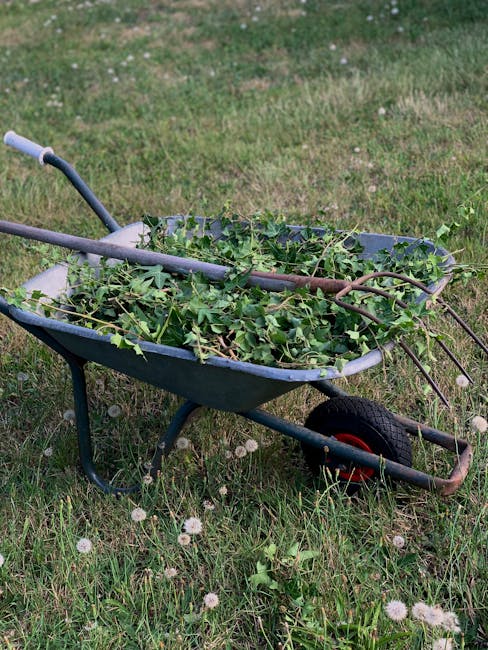
Same day gardeners Mitcham Junction emergency hedge and tree work
When a hedge suddenly leans into a path, a tree limb cracks after a gusty night, or a boundary plant starts swallowing the driveway, you do not want to wait around. You want someone who can come out quickly, size up the issue properly, and make the garden safe again. That is exactly where Same day gardeners Mitcham Junction emergency hedge and tree work comes in. It is the practical, fast-response side of garden care: urgent trimming, careful reduction, tree pruning, branch removal, and tidy-up work that prevents a small problem becoming a bigger, messier one.
In Mitcham Junction and the surrounding streets, emergency garden work often happens after wind, heavy rain, or a long stretch of unchecked growth. It can also be needed when a hedge blocks sightlines, a fallen branch gets in the way, or a tree starts touching fences, roofs, or cables. This guide explains how same day garden response works, what to expect, how to choose the right help, and how to avoid rushed decisions that can cost you later. A little caution now saves a lot of grief later. Truth be told, it usually does.
For ongoing care once the immediate issue is sorted, many property owners also keep an eye on garden maintenance, hedge trimming, and tree lopping and removal so the same emergency does not keep returning every few months.
Table of Contents
- Why Same day gardeners Mitcham Junction emergency hedge and tree work Matters
- How Same day gardeners Mitcham Junction emergency hedge and tree work Works
- Key Benefits and Practical Advantages
- Who This Is For and When It Makes Sense
- Step-by-Step Guidance
- Expert Tips for Better Results
- Common Mistakes to Avoid
- Tools, Resources and Recommendations
- Law, Compliance, Standards, or Best Practice
- Options, Methods, or Comparison Table
- Case Study or Real-World Example
- Practical Checklist
- Conclusion
- Frequently Asked Questions
Why Same day gardeners Mitcham Junction emergency hedge and tree work Matters
Emergency hedge and tree work is about more than appearances. Yes, a wild hedge can look untidy, but the deeper concern is safety, access, and damage control. A broken branch hanging over a footpath, a hedge blocking visibility at a driveway, or a tree rubbing hard against a roof can all create practical problems very quickly. In wet or windy weather, the risk can climb from annoying to urgent in a matter of hours.
Near Mitcham Junction, gardens are often compact, shared, or close to boundary lines. That means one overgrown plant can affect neighbours, pedestrians, drivers, and service access all at once. A same day response helps restore safe movement, reduce the chance of further breakage, and stop garden debris from spreading everywhere. Let's face it, no one wants to spend the weekend sweeping up twigs after a branch decides to give up mid-storm.
There is also a timing issue. Fresh damage is easier to assess than old damage. A gardener who sees a split limb right after a storm can decide whether careful pruning is enough or whether the tree needs more substantial attention. With hedges, fast action can prevent a sagging section from tearing further or collapsing into a fence. That early intervention often saves time, mess, and money later on.
If the urgent work is part of a bigger outdoor reset, it may make sense to look at garden clearance or services overview once the immediate hazard is dealt with. Sometimes the real issue is not one branch, but a whole garden that has become difficult to manage safely.
How Same day gardeners Mitcham Junction emergency hedge and tree work Works
A same day service is usually built around speed, triage, and safe execution. The aim is not to turn up and do everything in one big rush. It is to identify the immediate risk, make the area safe, and carry out the most important work first. In practice, the process is usually straightforward, though every job has its own quirks.
1. Initial contact and quick assessment
You explain what has happened: a hedge has collapsed, a branch is hanging low, a tree is scraping a roof, or access is blocked. Good gardeners will ask practical questions about size, location, risk, and access. If the issue sounds hazardous, they may prioritise the visit. This first conversation matters because it sets expectations. A snapped twig and a split trunk are not the same job, obviously, and no one should pretend they are.
2. On-site inspection
Once on site, the gardener checks the plant, surrounding structures, and the safest way to work. They look for broken limbs, unstable stems, tangled growth, decay, and nearby hazards such as sheds, fencing, glazing, or overhead lines. A careful inspection is often the difference between a tidy fix and a bigger problem. You want someone who looks up, down, and around.
3. Priority cutting and making safe
The first pass is usually about safety. That might mean removing a dangerous branch, reducing weight on a leaning hedge, clearing a blocked path, or cutting back growth that is immediately causing risk. The job is often done in stages so the site remains controlled. If there is heavy material involved, it may be cut down in manageable sections rather than hacked at from one angle. Sensible, not showy.
4. Clearance and tidy-up
Once the risk is reduced, the team gathers cuttings, branches, and green waste. A proper tidy-up is not just a nice extra. It matters because loose material can hide hazards and make the space hard to use. Depending on the scope, some jobs lead naturally into recycling and sustainability considerations, especially where green waste is being sorted for responsible disposal.
5. Advice for the next step
After the urgent work, a good gardener will usually explain what to watch for next. Maybe the hedge needs follow-up shaping, maybe the tree needs a further inspection, or maybe there is an underlying maintenance issue that will keep returning unless handled properly. That advice is useful because same day work solves the immediate moment, not always the whole story.
Key Benefits and Practical Advantages
The strongest benefit is obvious: fast relief. When your hedge or tree is causing concern, same day work reduces stress quickly. But there are several other advantages that often matter just as much in real life.
- Safer access: paths, drives, gates, and entrances can be reopened without delay.
- Lower risk of further damage: early cutting can stop a split branch from tearing further or a hedge from collapsing.
- Cleaner presentation: even an emergency job can restore a sensible, presentable look.
- Better neighbour relations: quick action helps if growth or debris is affecting adjoining property.
- More accurate follow-up planning: once the immediate mess is dealt with, it is easier to decide what routine care is needed next.
There is also a subtle but real advantage in confidence. After a stormy evening, a dangerous-looking branch can make the whole garden feel off-balance. A same day visit gives you a sense that the issue is in hand. That matters. People underestimate how distracting these problems can be.
If you are already planning longer-term improvements after the urgent work, it can help to review landscaping or landscape gardening so the space ends up working better as a whole, not just looking patched up.
Who This Is For and When It Makes Sense
Same day emergency hedge and tree work is not for every garden, and that is fair enough. It makes sense when delay creates inconvenience, risk, or visible deterioration. If the problem is minor and stable, a routine booking may be more sensible. But if the issue is actively affecting safety or access, same day help is usually the right call.
This service is often useful for:
- homeowners dealing with storm damage
- landlords needing quick clearance before a tenant handover
- managers of rental or shared properties
- older residents who cannot safely handle heavy garden work themselves
- busy households where a blocked drive or path is a real problem
- people preparing for visitors, tradespeople, or deliveries and need access restored quickly
It also makes sense when the issue is growing by the hour. A hedge that was just a little untidy on Monday can become a visibility problem by Friday. A branch hanging low after rain may look stable, but one more gust can change that. That is the awkward bit: some garden hazards look calm right before they are not.
If your concern is part of an everyday upkeep pattern rather than an urgent event, lawn mowing and broader garden maintenance may be the better route. Routine care and emergency response are related, but they do different jobs.
Step-by-Step Guidance
When you need urgent hedge or tree work, a calm sequence helps. Rushing straight into cutting without thinking is how people make expensive mistakes. Here is the practical order that tends to work best.
- Check for immediate danger. If a branch is touching a building, a hedge is blocking sightlines, or anything looks unstable, keep clear of the area until it is assessed.
- Photograph the issue. A few quick pictures help explain the problem and can be useful if you need to reference it later with a neighbour, landlord, or insurer.
- Describe the access. Mention side gates, narrow paths, parked vehicles, or awkward entry points. These details matter more than people think.
- Ask what can be done the same day. Some jobs need immediate reduction only, while others can be fully cleared and tidied in one visit.
- Confirm waste handling. Ask whether green waste will be removed, stacked, chipped, or left in a neat pile.
- Make space for the team. Move vehicles, ornaments, and fragile items if you can. A tidy working area helps everyone.
- Review the finish. Check that the hazard is removed, edges are safe, and the remaining growth makes sense for the season.
A small but useful habit: walk the boundary after the work is done. Look at the hedge line from the pavement as well as from inside the garden. What looks fine up close can still read oddly from the street.
Expert Tips for Better Results
The best same day jobs are rarely the most dramatic. They are the ones handled with judgement. A few practical tips make a big difference.
- Ask for the safety-first plan. A good gardener should explain what will be made safe immediately and what may need follow-up.
- Keep expectations realistic. Emergency work is often about stabilising and clearing first, shaping later.
- Do not overcut hedges in a panic. Excessive trimming can leave bare patches or stress the plant, especially if it is already damaged.
- Watch the weather. If more wind or rain is forecast, ask whether the work should be adjusted for safety.
- Consider the season. Timing matters for plant health. Some cuts are fine any time; others need more care and restraint.
- Think ahead about repeat growth. If the problem keeps coming back, the answer may be a maintenance schedule rather than one-off rescue work.
In our experience, the best outcomes come when the gardener is honest about limits. If a tree needs a more substantial solution later, say so. If a hedge is too dense for perfect shaping on the day, fine, but make it safe and leave it workable. That sort of honesty is worth a lot.
Expert summary: same day hedge and tree work should reduce risk, restore access, and leave the garden in a stable condition. It should not feel rushed, careless, or cosmetically neat at the expense of safety.
That is the sweet spot. Safe first, tidy second, and sensible advice after that.
Common Mistakes to Avoid
Emergency garden work gets messy fast when people try to fix everything themselves or choose the wrong type of help. A few mistakes come up again and again.
- Cutting without checking stability: a loaded branch can shift unexpectedly once weight is removed.
- Ignoring boundary issues: hedge and tree work near fences or shared lines can affect neighbours, so it helps to be clear from the start.
- Booking only on price: the cheapest option is not always the safest, especially if the work involves height, weight, or awkward access.
- Assuming one visit solves everything: some jobs need staged work. That is normal.
- Leaving debris behind: loose cuttings can be more than untidy; they can hide hazards and block drainage paths.
- Forgetting follow-up care: if the root cause is poor maintenance, the same issue tends to return.
Another one, and it sounds small but matters: failing to tell the gardener about hidden hazards. Wires, weak fencing, old cracks in walls, buried edging, slippery paving - all of that changes how the work should be handled. A five-second mention can prevent a half-hour headache.
Tools, Resources and Recommendations
For safe emergency hedge and tree work, the right tools are not glamorous. They are the ordinary, reliable kind: sharp secateurs, loppers, hand saws, hedge trimmers, pole tools, protective gloves, eye protection, and secure ladders or platform access where appropriate. The exact kit depends on the job, but the principle stays the same: use the lightest effective tool first, and only escalate when needed.
From a homeowner's point of view, the most useful "resource" is preparation. Keep a few things handy if you are likely to need fast garden help:
- clear photos of the problem area
- a brief note on when the damage happened
- any known access issues
- the location of bins, gates, and shared entry points
- basic information about any previous pruning or tree work
If the urgent work turns into a wider clean-up, a service such as garden clearance can be useful for removing accumulated cuttings, broken material, and other clutter that gets in the way of proper maintenance. Sometimes the garden is not really one problem. It is several small ones stacked together.
For customers who want to understand service scope, pricing approach, and what happens before a job starts, pricing and quotes is also a useful page to review. Clear expectations are calming, and in an emergency that is no bad thing.
Law, Compliance, Standards, or Best Practice
Emergency hedge and tree work should be carried out with care for safety, property boundaries, and the condition of the plant. In the UK, tree and hedge issues can overlap with neighbour disputes, property access, and wider safety duties, so a cautious approach is usually best. It is sensible to avoid making assumptions about ownership or permission if a hedge sits on a boundary or if a tree may affect shared land.
Best practice usually includes:
- assessing risk before cutting
- using appropriate protective equipment
- keeping people clear of the working area
- disposing of waste responsibly
- avoiding unnecessary damage to living plants
- taking extra care near buildings, driveways, and public walkways
If a tree appears unstable, significantly damaged, or close to a structure, it may need more than a quick visual once-over. The sensible thing is to treat the situation carefully and avoid guesses. A hurried prune can hide the issue rather than solve it. Not ideal, to say the least.
For businesses and domestic customers alike, trust also comes from transparent working practices. It helps if you know how the company handles safety, payments, privacy, and complaints. Those details are not glamorous, but they are part of a professional service. If you want to check them, the relevant pages include insurance and safety, health and safety policy, payment and security, and complaints procedure.
Options, Methods, or Comparison Table
Not every urgent hedge or tree issue needs the same approach. Here is a simple comparison that helps separate the options.
| Method | Best for | What it does well | Limitations |
|---|---|---|---|
| Same day emergency work | Immediate hazards, blocked access, storm damage | Fast response, safety-first action, quick relief | May focus on making safe rather than perfect shaping |
| Routine hedge trimming | Regular growth control and neat borders | Keeps plants manageable and tidy | Not suitable when damage or risk is already urgent |
| Tree lopping and removal | Damaged, dangerous, or unwanted trees | Handles larger structural issues | May be more involved and may not be completed same day |
| Garden clearance | Heavy debris, overgrowth, neglected spaces | Removes clutter and restores usable space | Does not replace specific tree or hedge expertise |
Here is the blunt version: if the plant is a live hazard, act like it. If it is just looking messy, a planned visit is often enough. The trick is not to blur the two.
Case Study or Real-World Example
Picture a late afternoon after a blustery spell. A resident in Mitcham Junction notices that a tall hedge at the front has pushed partly across the pavement, while a branch from a nearby tree is hanging lower than it should. Nothing is fully down, but the path feels awkward and the driveway entrance is tighter than usual. It is one of those situations that makes you pause, glance up twice, and think, "Right, that needs sorting."
The same day visit starts with a quick inspection. The hedge is dense and leaning, but the root issue is overgrowth and wind pressure rather than collapse. The branch is cracked and needs careful reduction. The work is carried out in a controlled way, with the dangerous material removed first and the hedge cut back enough to restore safe access. Debris is gathered, the pavement edge is cleared, and the garden is left in a sensible condition rather than a half-finished one.
What matters most in a case like this is not dramatic transformation. It is calm restoration. The resident gets the path back, the front boundary looks orderly again, and the risk is no longer hanging over the property. Then, a week or two later, a follow-up trim or maintenance visit can sort out the finer shaping. That is how good emergency work should feel: steady, practical, and relieving.
Practical Checklist
Use this quick checklist before you book or during the visit:
- Is there an immediate safety risk from the hedge or tree?
- Has access been blocked, narrowed, or made unsafe?
- Have you taken photos of the issue?
- Do you know where the boundary lines and access points are?
- Have you mentioned nearby structures, wires, fences, or fragile features?
- Do you want emergency make-safe work only, or full tidy-up too?
- Have you asked how waste will be handled?
- Do you know whether follow-up trimming or tree work may be needed?
- Have you checked the company's safety and insurance information?
- Have you planned any longer-term garden maintenance after the urgent job?
If you can answer most of those, you are already ahead of the game. Really, you are. It keeps the conversation clear and the work focused.
Conclusion
Same day hedge and tree work is one of those services people do not think about until they suddenly need it. Then it becomes very important, very quickly. Whether the issue is storm damage, blocked access, a dangerous branch, or an overgrown hedge that has become a nuisance, the priority is the same: make it safe, make it usable, and deal with it before it becomes a bigger job.
The best outcomes come from quick action, clear communication, and a sensible approach to the plant itself. Emergency work should not feel chaotic. It should feel controlled, practical, and reassuring. And when the immediate problem is handled, there is often a natural next step into regular upkeep, so the garden stays manageable rather than drifting back into crisis mode.
Get a free quote today and see how much you can save.
If you are comparing options or planning ahead, it can also help to learn more about the team behind the work through about us and keep contact us handy for the moment you need help quickly. A little readiness goes a long way, and honestly, that is half the battle.
Frequently Asked Questions
What counts as emergency hedge and tree work?
Emergency hedge and tree work usually means urgent cutting, reduction, or clearance where delay could cause safety issues, blocked access, or further property damage. It is often triggered by storm damage, fallen branches, leaning hedges, or growth that has suddenly become hazardous.
Can same day gardeners really arrive on the same day in Mitcham Junction?
Often, yes, depending on workload, location, weather, and the complexity of the job. The more clearly you describe the issue, the easier it is for the team to decide whether same day attendance is realistic.
Is emergency tree work the same as tree removal?
Not always. Emergency tree work may involve making a tree safe, removing a broken limb, or reducing immediate risk. Tree removal is a bigger step and is usually used when the tree cannot be retained safely or reasonably.
Will the gardeners tidy up after the work?
They should. Tidy-up is normally part of a professional service, especially after emergency work where branches, leaves, and heavy cuttings can create extra hazards. It is sensible to confirm waste handling before the visit.
What should I do before the gardener arrives?
Take photos, clear access where possible, move vehicles if you can do so safely, and keep people away from unstable branches or leaning hedges. If the problem involves a public footpath or shared boundary, mention that right away.
How do I know if the tree is dangerous?
Warning signs can include visible splitting, hanging branches, sudden leaning, cracked limbs, or movement after wind. If you are unsure, treat it cautiously and ask for an inspection rather than trying to test it yourself.
Is same day hedge work suitable for a very overgrown hedge?
Yes, if the hedge is creating an urgent issue such as blocking access, visibility, or safety. If it is simply untidy, a standard hedge trimming visit may be a better fit and may give a cleaner final result.
Do I need permission if a hedge sits on a boundary?
If a hedge or tree is shared or near a boundary, it is wise to be careful and keep communication clear. The practical detail depends on ownership and location, so it is better to confirm the situation before major work is started.
What if the garden damage happened after a storm?
That is one of the most common reasons people need urgent help. Storm damage can loosen branches, distort hedges, and create hidden weaknesses. A prompt inspection is usually a sensible next step.
How much does same day emergency work cost?
Costs vary with access, size, risk, waste removal, and how much work can be completed in one visit. For that reason, a proper quote is more useful than guessing. Clear photos help speed things up.
Can emergency work be followed by regular maintenance?
Absolutely, and in many cases it should be. Emergency work deals with the immediate problem, while routine maintenance keeps hedges and trees from reaching that point again. It is the calmer, cheaper route in the long run.
How do I choose the right service for my problem?
Ask yourself whether the issue is dangerous, disruptive, or just overgrown. If it is urgent, emergency hedge and tree work is the right fit. If it is routine, services like hedge trimming, garden maintenance, or garden clearance may suit better.